

 By Labscroll Medicals
Learn what preventive health care is, why it’s important, key benefits, and how often to get health check-ups for long-term wellness and disease prevention.
In today’s fast-paced world, many people only think about health care when they are already sick. However, one of the most effective approaches to staying healthy and living longer is preventive health care. Instead of waiting until illness appears, preventive health focuses on maintaining wellness, reducing risks, and detecting conditions early, often before symptoms develop.
What Is Preventive Health Care?
Preventive health care refers to medical services and lifestyle practices that are designed to prevent diseases, detect health problems early, and promote long-term wellness. This includes routine check-ups, screenings, vaccinations, lifestyle counseling, and proactive measures to keep your body and mind in good condition.
Unlike treatment, which addresses illness after it occurs, preventive care emphasizes foresight and maintenance. The idea is simple: preventing health problems is easier, less costly, and far more effective than treating them once they progress.
Why Is Preventive Health Care Important?
The importance of preventive health care cannot be overstated. Globally, many chronic diseases—such as diabetes, heart disease, and certain cancers develop silently over time. By the time symptoms appear, the condition is often advanced and more difficult to treat. Preventive care addresses this challenge by catching potential problems early or stopping them altogether.
Some key reasons why preventive health care is essential include:
- Early detection of diseases: Screenings and check-ups can identify health issues before they become serious. For example, high blood pressure or high cholesterol can be controlled if discovered early.
- Reduced long-term costs: Treating advanced illness is far more expensive than prevention. Investing in regular check-ups and screenings helps avoid costly medical bills later.
- Improved quality of life: Preventive measures such as vaccinations, healthy diets, and physical activity reduce the risk of chronic diseases, keeping you active and productive.
- Longer lifespan: Research consistently shows that preventive care, when combined with healthy habits, extends life expectancy and reduces disability in older age.
The Benefits of Preventive Health Care
Embracing preventive health care has both individual and societal benefits. For individuals, it means peace of mind, lower risk of serious illness, and improved physical and mental well-being. For communities, it translates into reduced health care costs, healthier workforces, and better public health outcomes.
Some of the most notable benefits include:
- Better disease management: Even if a condition is detected, early diagnosis means more effective treatment.
- Stronger immunity: Vaccinations protect against serious infections, reducing outbreaks in the community.
- Healthier lifestyle guidance: Preventive care often includes advice on diet, exercise, stress management, and sleep—all of which contribute to long-term wellness.
- Reduced hospital visits: With preventive measures, many people avoid emergency room visits or hospital admissions related to unmanaged chronic conditions.
How Often Should You Do Preventive Health Check-Ups?
The frequency of preventive health care depends on age, risk factors, and personal health history. However, as a general guideline:
- Children and adolescents: Regular wellness visits are recommended for growth monitoring, vaccinations, and developmental assessments.
- Adults aged 18–39: At least once every 2–3 years for a full check-up, unless risk factors require more frequent visits.
- Adults aged 40–64: Annual check-ups are strongly recommended, as this is when risks for heart disease, diabetes, and cancer increase.
- 65 and older: Annual preventive health exams are crucial, including screenings for chronic diseases, bone health, cognitive function, and cancer.
In addition to routine physical exams, certain screenings should be done at specific intervals. For example:
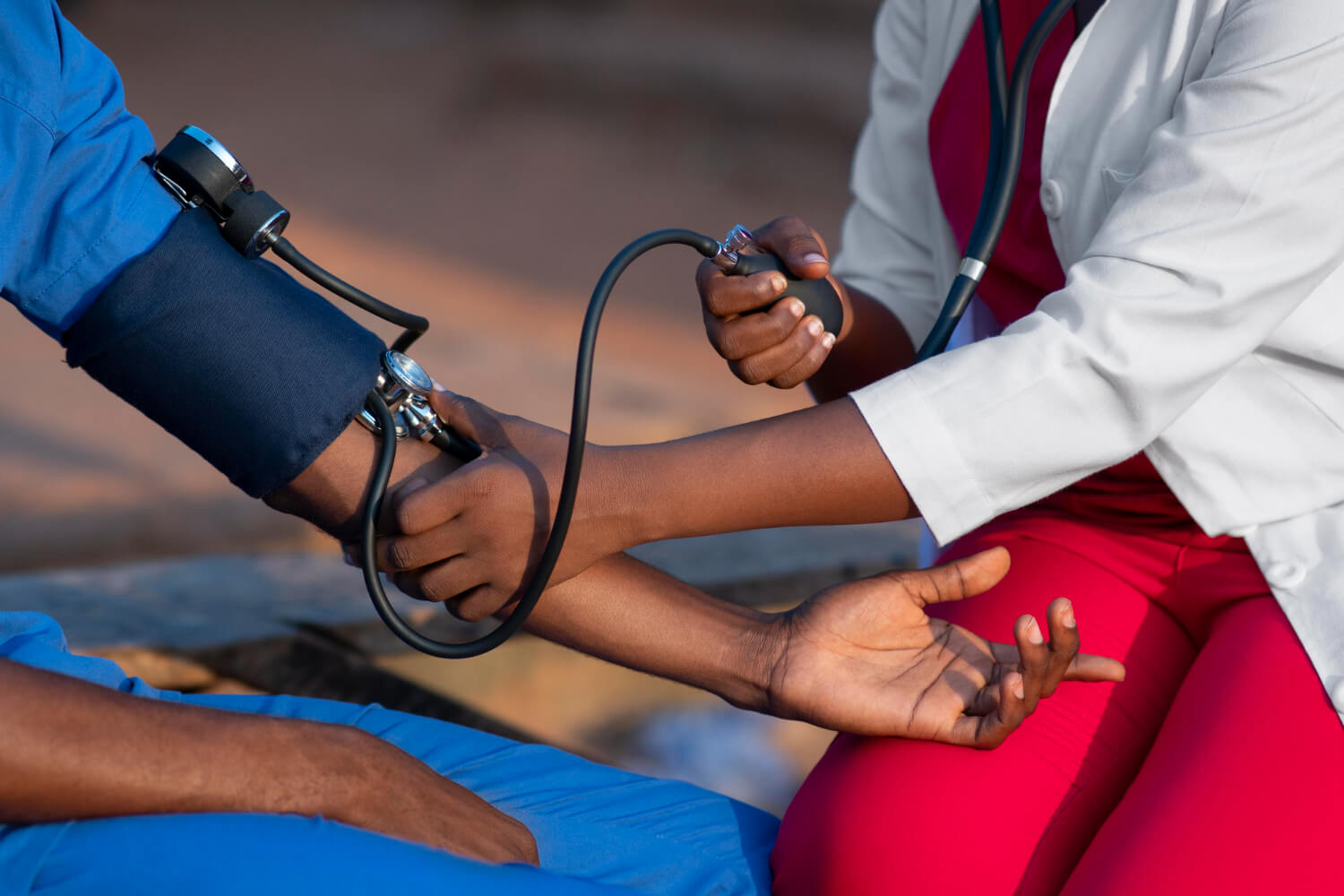
- Blood pressure: At least once every year.
- Cholesterol: Every 4–6 years (more often if risk factors exist).
- Diabetes screening: Every 3 years starting at age 45, or earlier with risk factors.
- Cancer screenings: Such as mammograms, colonoscopies, and prostate checks, according to medical guidelines and family history.
- Dental and vision checks: Once or twice a year, depending on individual needs.
It is important to consult your doctor to personalize your preventive health plan based on your lifestyle, family history, and medical background.
Preventive health care is not just about avoiding illness it is about building a healthier, more sustainable lifestyle that enhances longevity and well-being. By committing to regular check-ups, appropriate screenings, and healthy habits, you invest in your future health.
Remember, the best time to start preventive care is before problems arise. Whether you are young and healthy or managing risk factors, taking proactive steps today can make a profound difference in the years ahead.
Leave A Comment