

 By Labscroll Medicals
Discover what food allergies are, their causes, symptoms, and how they differ from intolerances.
Food allergies are a growing global health concern that can affect people of all ages. Unlike food intolerances, which are usually limited to digestive discomfort, food allergies involve the immune system and can cause serious, even life-threatening reactions. Understanding what food allergies are, how they develop, and how to manage them is essential for preventing emergencies and improving quality of life.
What Is a Food Allergy?
A food allergy is an abnormal immune response to certain proteins found in food. The immune system mistakenly identifies these proteins as harmful and releases chemicals such as histamine, leading to allergic symptoms. These reactions can range from mild skin irritation to a severe condition known as anaphylaxis, which can be fatal without prompt treatment.
According to the World Health Organization (WHO), food allergies are among the most common chronic conditions worldwide, with cases increasing over the past two decades, especially among children.
How Food Allergies Develop
Food allergies occur when the immune system becomes sensitized to a food protein after previous exposure. During this first contact, the body creates IgE antibodies specific to that allergen. On future exposure, these antibodies trigger the release of histamine and other inflammatory chemicals, causing an allergic reaction.
Genetics, environment, and dietary habits all play roles in allergy development. For instance, children with a family history of allergies, asthma, or eczema are more likely to develop food allergies.
The Most Common Food Allergens
Although any food can cause an allergic reaction, most food allergies are caused by nine specific foods often referred to as the “Big 9 Allergens”:
- Milk
- Eggs
- Peanuts
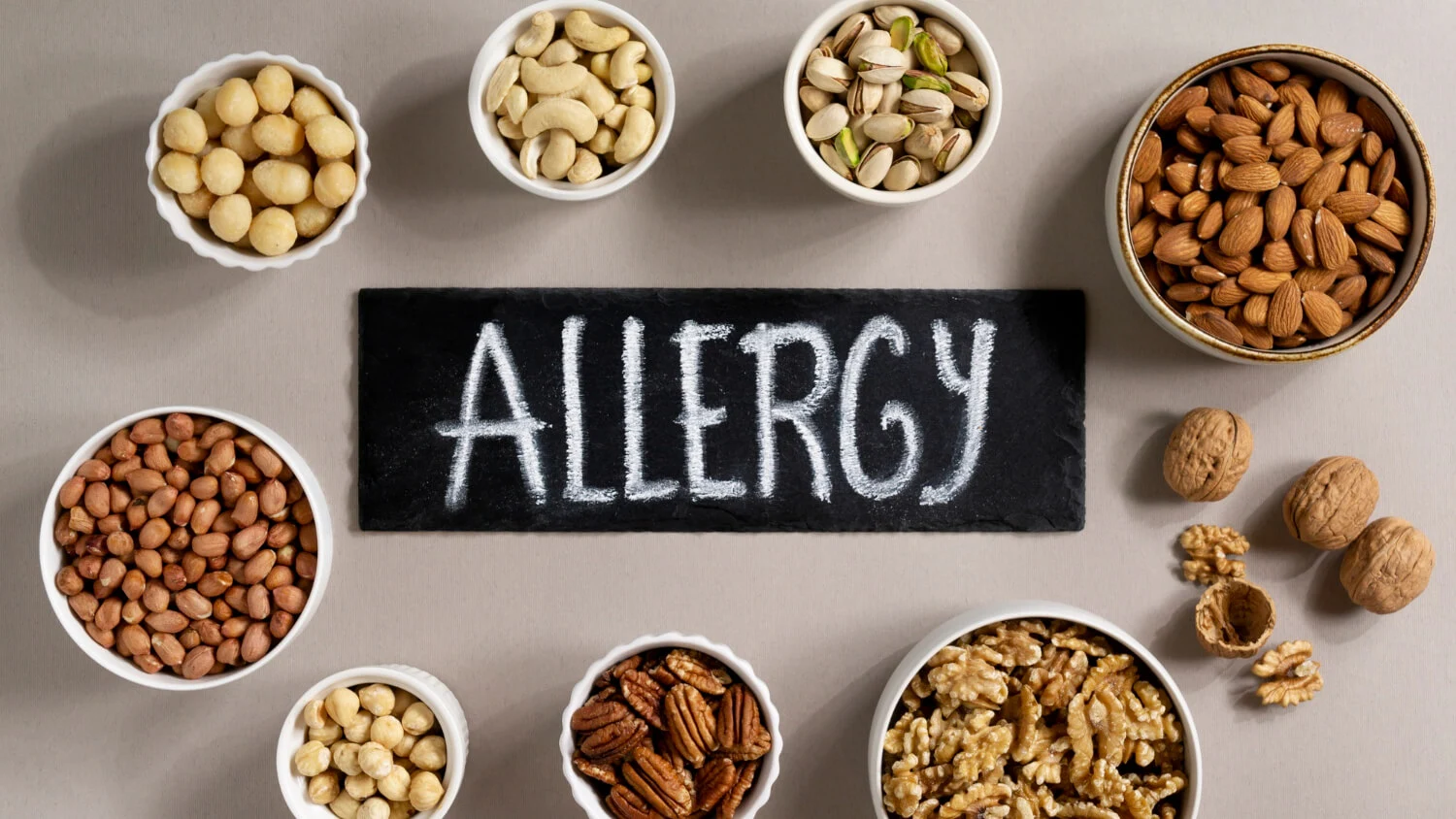
- Tree nuts (such as almonds, walnuts, and cashews)
- Soy
- Wheat
- Fish
- Shellfish
- Sesame
These foods account for the majority of food allergy reactions globally. The U.S. Food and Drug Administration (FDA) and European Food Safety Authority (EFSA) have identified these as the most clinically significant allergens due to their prevalence and potential severity.
Food Allergy vs. Food Intolerance
It’s important to distinguish between a food allergy and a food intolerance, as the two conditions differ in cause, mechanism, and severity.
- Food allergies involve the immune system. Even a small amount of the allergenic food can cause symptoms such as hives, swelling, or breathing difficulties.
- Food intolerances, on the other hand, affect the digestive system. They often occur because the body lacks certain enzymes needed to digest specific foods (for example, lactose intolerance results from a deficiency of the enzyme lactase). Intolerances are generally not life-threatening but can cause discomfort such as bloating or abdominal pain.
In simple terms, food intolerance makes you uncomfortable, while food allergy can make you very sick or worse.
Symptoms of Food Allergies
Symptoms can appear within minutes to two hours after consuming the allergenic food. Common symptoms include:
- Skin reactions: hives, itching, redness, or swelling
- Gastrointestinal symptoms: nausea, vomiting, abdominal cramps, or diarrhea
- Respiratory symptoms: coughing, wheezing, shortness of breath, or nasal congestion
- Cardiovascular symptoms: dizziness, fainting, or low blood pressure
The most severe allergic reaction is anaphylaxis — a rapid, potentially fatal condition characterized by difficulty breathing, a drop in blood pressure, and loss of consciousness. Immediate administration of epinephrine (adrenaline) is required in such cases.
Diagnosis and Testing
If you suspect a food allergy, consult a healthcare professional or allergist for proper testing. Common diagnostic methods include:
- Skin Prick Test (SPT): A small amount of allergen extract is placed on the skin to observe for reactions.
- Specific IgE Blood Test: Measures antibodies against particular food proteins.
- Elimination Diet: Removing and gradually reintroducing foods under medical supervision.
- Oral Food Challenge: Conducted in a clinical setting to confirm an allergy, considered the gold standard test.
Accurate diagnosis is essential because mislabeling food intolerances or sensitivities as allergies can lead to unnecessary dietary restrictions.
Management and Treatment
The only proven way to manage a food allergy is strict avoidance of the allergen. This includes reading ingredient labels carefully and asking about food preparation when dining out.
In case of accidental exposure:
- Mild reactions may be treated with antihistamines.
- Severe reactions (anaphylaxis) require epinephrine (EpiPen) and immediate medical attention.
Those with known allergies are strongly advised to carry epinephrine auto-injectors and inform family, friends, and colleagues about their condition.
Prevention and Long-Term Care
While there’s no cure for food allergies, prevention strategies can help reduce the risk:
- Early introduction of allergenic foods: According to the World Allergy Organization and American Academy of Pediatrics, introducing peanuts and eggs early (around 6 months) may lower the risk of developing allergies in children.
- Avoid unnecessary food restrictions during pregnancy or breastfeeding unless prescribed by a doctor.
- Educate caregivers and schools about children’s allergies and emergency plans.
In Rwanda, increasing public awareness about allergy symptoms and emergency management can reduce hospitalization rates and improve patient safety, particularly in children and young adults.
Food allergies are not simply inconveniences — they are complex immune conditions that demand awareness, accurate diagnosis, and careful management. Understanding the difference between allergies and intolerances, recognizing early symptoms, and taking preventive steps can dramatically improve outcomes.
If you suspect you or your child may have a food allergy, seek medical advice early — awareness saves lives.
Leave A Comment